
THE GIST
For a while, Europe’s retailers have been living in that pleasant illusion where geopolitics is someone else’s problem.
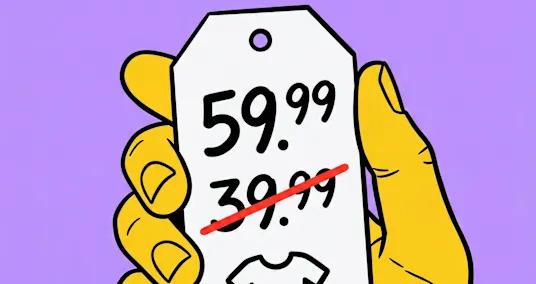
Oil spikes, shipping chaos, energy shocks, all very dramatic, but shoppers kept buying. That illusion is starting to crack. Next and H&M are now signaling that if the Middle East conflict lasts, prices go up and consumers eventually push back.
WHAT HAPPENED
United Kingdom retailer Next and Swedish fast-fashion giant H&M both warned that a prolonged Middle East conflict could feed through into higher costs and weaker consumer demand.
Next said it expects about £15 million (about $20 million) in additional short-term costs, including £8 million from air freight, £4 million from sea freight surcharges and £3 million from higher U.K. energy costs. For now, those costs are being offset elsewhere. But chief executive Simon Wolfson said that if the conflict lasts longer than three months, the company may need to raise prices by around 1.5% to 2%.
H&M struck a similar tone. Chief executive Daniel Erver said the conflict has had only a limited direct impact so far, but warned that prolonged disruption could push up energy and transport costs, creating fresh inflationary pressure on already stretched consumers.
The warnings come as broader cracks appear across the consumer economy. Energy and shipping costs have risen as the Middle East conflict disrupts trade routes and commodity markets. Chemical companies such as BASF and Lanxess have already raised prices, feeding through into everyday goods.
Other retailers are flagging similar risks. Polish fashion group LPP has warned on fuel and logistics costs, while the U.K.’s Co-op said inflation has not yet hit shelf prices but remains a looming threat.
So far, demand has held up. Both Next and H&M say shoppers are still spending. The bigger question is what happens when temporary cost pressures become permanent features of the system.
WHY IT MATTERS
Because this is how inflation returns, gradually, then all at once.
Retailers have just spent years dealing with the aftershocks of the Ukraine war, when higher energy costs rippled through supply chains and squeezed both margins and consumers. No one wants a repeat. But they may not get a choice.
Our analysts just identified a stock with the potential to be the next Nvidia. Tell us how you invest and we'll show you why it's our #1 pick. Tap here.
The transmission mechanism is already in motion. Freight costs rise. Energy prices follow. Suppliers adjust. Retailers absorb what they can. Eventually, prices move.
latest_posts
- 1
 Zelensky confidant dismissed from further posts amid bribery scandal
 - 2Private sector revives the climate disaster database Trump tried to squash
- 3Native Americans had dice and games of probability long before other cultures, study finds
- 4Relentless rise in carbon pollution from fossil fuels slightly dampens climate-fighting hopes
- 5The many ways that baking is winter therapy. With a delicious ending





- This Week In Space podcast: Episode 203 — China Rising
- Dad issues urgent plea to find stem cell donor for his son
- Coffee Prices Finish Higher on Brazil Cop Concerns
- Israel's Druze use AI to present to UN testimonies of 'sexual terrorism' against Syrian Druze women
- A Gustav Klimt painting is now the most expensive piece of modern art sold at auction. The fascinating history behind the $236 million 'Portrait of Elisabeth Lederer.'
- China and Pakistan issue five-point peace plan for Middle East
- Find the Future of Outsourcing: Exploring the Gig Economy
- Could it be said that you are As yet Utilizing Old Tires? at These 6 Tire Brands
- Artemis II astronauts arrive at Florida launch site for first moon trip in 53 years